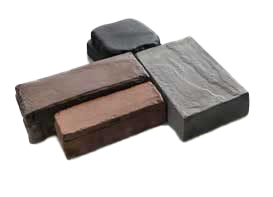
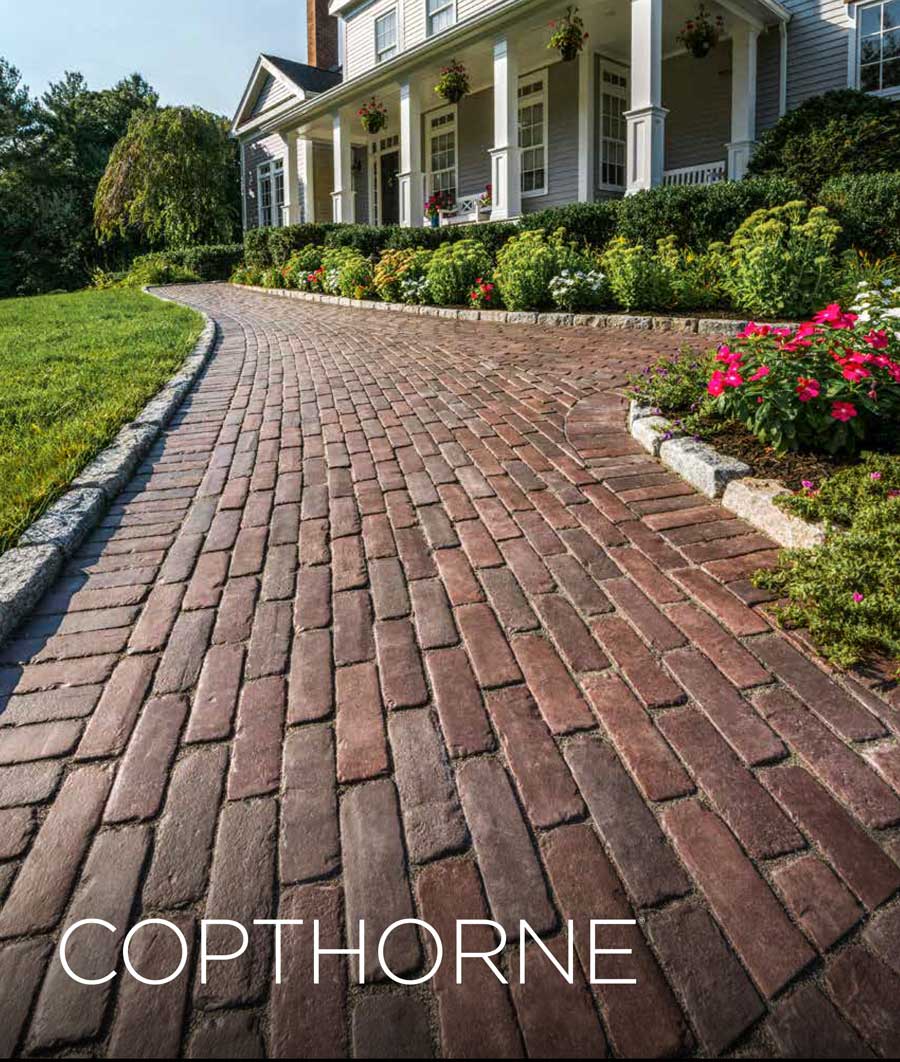
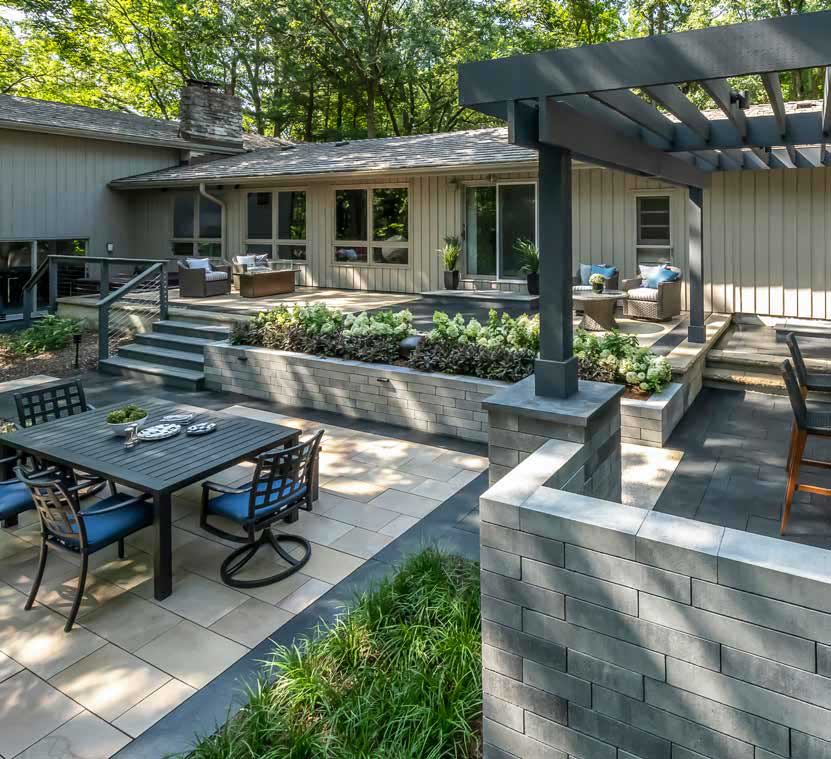
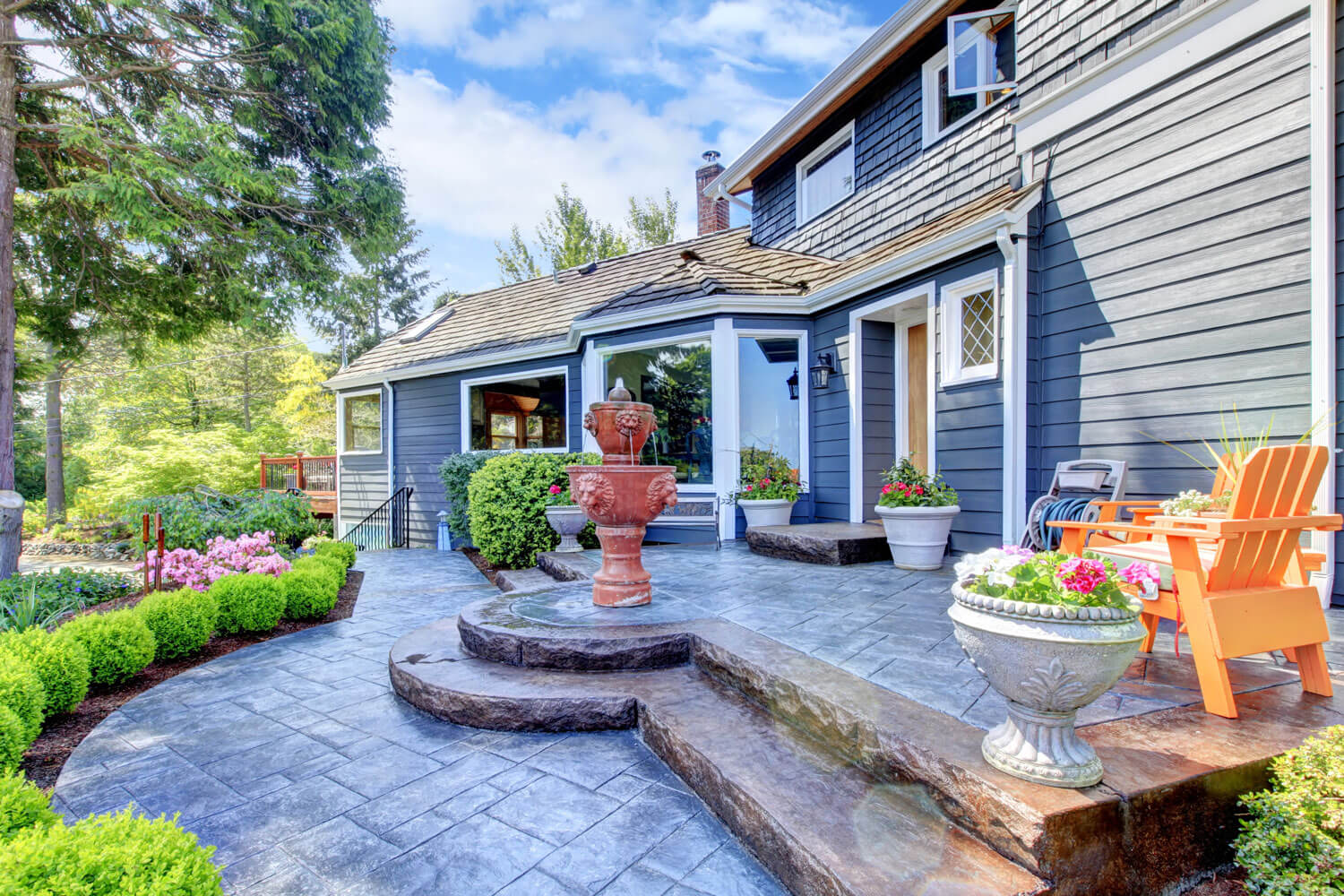
What is the difference between paving stones, brick pavers, and interlocking pavers? A paver is a stone, concrete block or brick used to lay on a flat surface to make a patio, driveway or walkway. The best types of pavers are those that will interlock with the sand placed between them.
These manufactured paving stones come in a wide range of shapes and colours coordinated to produce a paving pattern once installed. Such designs are so visually appealing sometimes they are preferred over more expensive stone and tile.
Ordinary precast pavers produce a surface with crisp, uniformly shaped units such as squares or brick-like rectangles in various sizes.

Precast unit pavers are tumbled at the factory to produce a more natural looking surface. Tumbled pavers can suggest a more aged appearance that more accurately mimics the look of hewn stone. Tumbled pavers also offer a softer edge that may prove safer in high activity areas such as swimming pool decks and adjacent to sports courts.
These are specially made unit pavers designed to allow water to drain through openings in the paver itself or through those set into the edges that result in increased flow through the joints. While designed to increase permeability in parking lots, they are equally valuable for zero runoff homesite paving.

While approximately the same size as precast concrete units, they are more expensive due to the labour required to render stone into identical units.
It’s summertime when people start thinking about sprucing up their outdoor spaces, especially their hardscape. But whether you’re looking to rebuild your patio, deck, walkway or driveway, you can consider using permeable (also known as pervious) materials instead of asphalt or concrete.
While asphalt and concrete have been the go-to outdoor surfaces for years, they have very few benefits other than being one of the least expensive options. A better choice would be paving stones or Natural Interlocking Pavings.
Interlocking pavers come from cement or concrete or natural stone such as Flagstone, granite, marble, limestone, Sandstone and slate. Pavers made from concrete or cement tend to simulate the effects of cobblestone pathways.
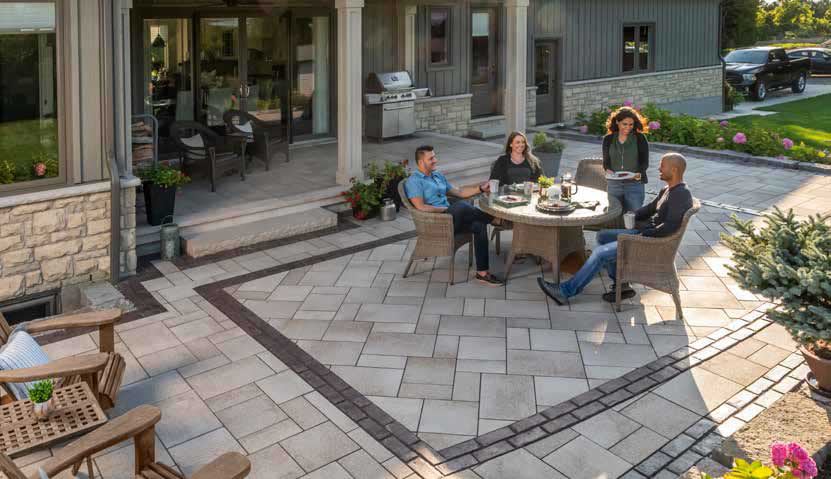
This unique interlocking feature enables paver installation without the use of mortar.
Interlocking pavers have the advantage of being an accessible installation paving material for the contractor.
Interlocking pavers & Interlocking stone pavers connect through sand and can cover any patio, decking, driveway or walkway. Stone Pavers are an alternative to virtually any application that you would typically use, bricks or concrete.
Walkways
Patios
Pathways
Sidewalks
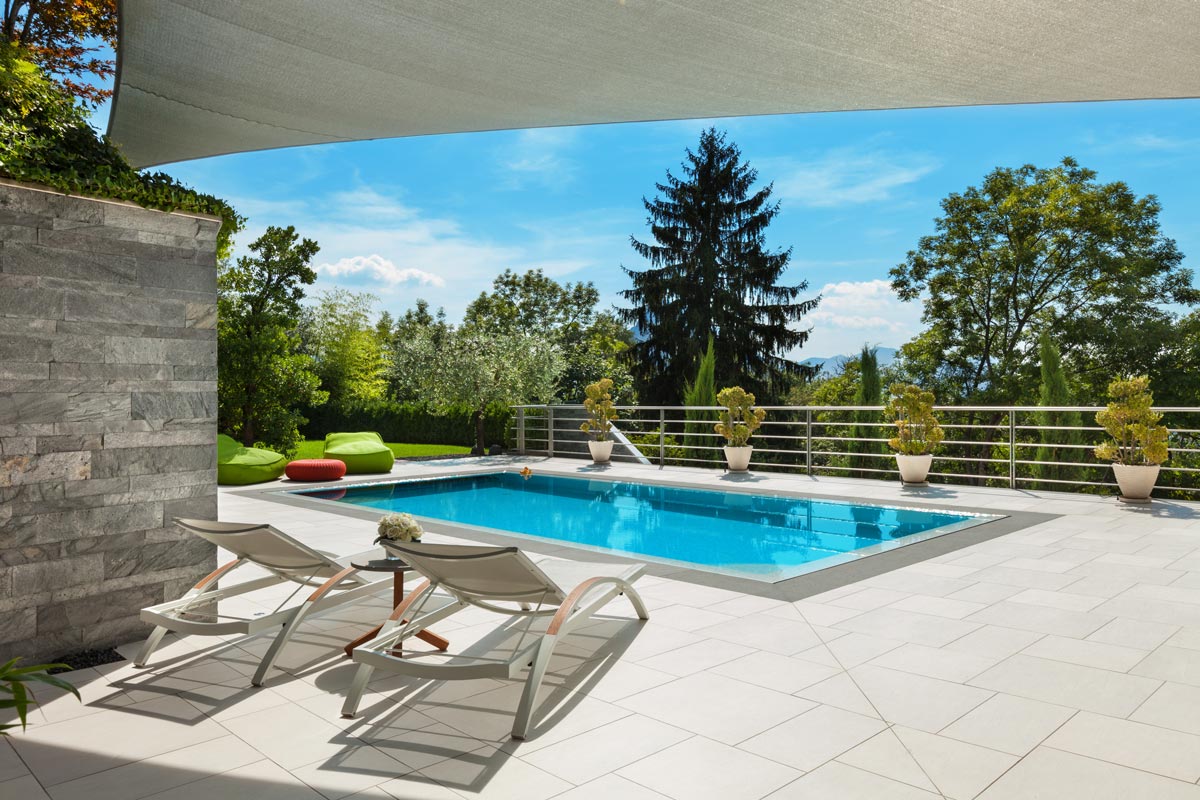
Pool Areas
Courtyards
Stepping Stones
Front Paving Stones
Small Garden Retaining Wall
The versatility of interlocking paving stones means there are no external area limitations of where they can be installed, no matter how small or big the area is.
Natural Interlocking Stone Pavers are available in many colours and designs. They are modular, meaning that they connect to form a variety of geometric designs.